
Is your older pet ready for autumn?
When you know your pet’s everyday habits, even a small change can stand out. A shorter walk, a fuller water bowl at bedtime or hesitation before jumping can all be worth a conversation with your vet.
This autumn, a senior pet health check is an opportunity to review your older dog or cat’s wellbeing before winter and discuss anything you have noticed at home.
At Potton Vets in Bedfordshire, our team at the King Street practice can help you make sense of changes in your pet’s mobility, appetite and behaviour.
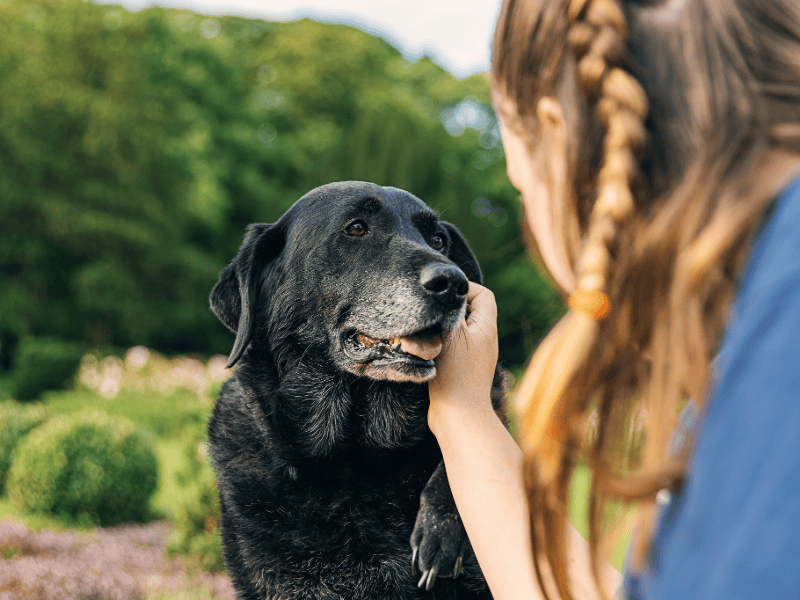
Why senior health checks matter
Pets are very good at adapting. A dog with sore joints may simply stop asking for a long walk. A cat with arthritis may choose a lower sleeping spot rather than jumping onto a favourite windowsill. Changes in thirst, appetite, weight or behaviour can also develop so gradually that they are easy to overlook.
The best schedule for health checks depends on your pet’s age, breed, medical history and any existing conditions. Your vet can recommend an interval that suits them and advise when to come in sooner.
Regular checks can help identify problems earlier and establish useful trends in things such as weight, body condition, mobility and general wellbeing.
What does a senior pet health check look at?
A senior health check is not just about looking for one particular disease. It is an opportunity to review your pet from nose to tail and discuss how they are getting on day to day.
- weight, body condition and muscle loss
- joints, mobility and signs of discomfort
- teeth and gums
- heart and breathing
- eyes, ears, skin and coat
- appetite and changes in weight
- drinking and urination
- toileting habits
- sleep, behaviour and cognitive changes
- any medicines or supplements your pet already takes
If anything needs further investigation, your vet may recommend tests such as blood or urine analysis, blood pressure measurement or diagnostic imaging.
Seven changes worth watching this autumn
1. Stiffness after resting
You may notice changes in mobility as your pet’s autumn routine changes. Watch for stiffness when your pet first gets up, slower movement on stairs, hesitation before jumping, shorter walks or a change in the way they sit or lie down.
Arthritis is common in older pets and pain is not simply something they have to put up with. If movement has changed, it is worth discussing it with your vet.
2. Drinking or urinating more
Changes in thirst and urination can be linked to several health conditions, including kidney disease and diabetes. If you notice water bowls emptying faster, more frequent trips outside, larger clumps in the litter tray or accidents in the house, tell your veterinary team.
3. Weight loss or weight gain
Unplanned weight loss can be associated with dental disease, kidney disease, thyroid problems and other conditions. Weight gain can put extra strain on ageing joints. Regular weigh-ins are particularly useful for senior pets.
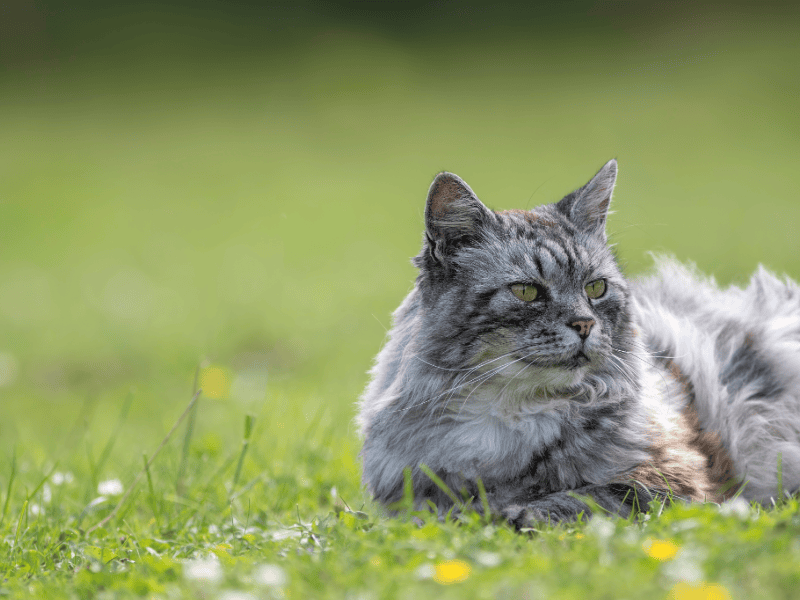
4. Changes in appetite
Eating less, dropping food, chewing on one side, taking longer to finish meals or suddenly becoming unusually hungry are all worth mentioning. Our advice on dental health explains some of the signs of mouth discomfort.
5. Sleeping more or behaving differently
Older pets often rest more, but a noticeable change in their usual routine deserves attention. Look out for restlessness at night, confusion, withdrawal, increased vocalisation, irritability or seeming less interested in familiar activities.
6. Changes in sight or hearing
You might notice your pet startling more easily, struggling in dim light, bumping into objects or becoming less responsive when called.
7. A change in coat, grooming or toileting
Older cats in particular may groom less if they are uncomfortable or finding it difficult to twist and reach certain areas. Matted fur, an untidy coat or difficulty getting into the litter tray can therefore be useful clues about mobility and general health.
Why autumn is a good time to review your senior pet's routine
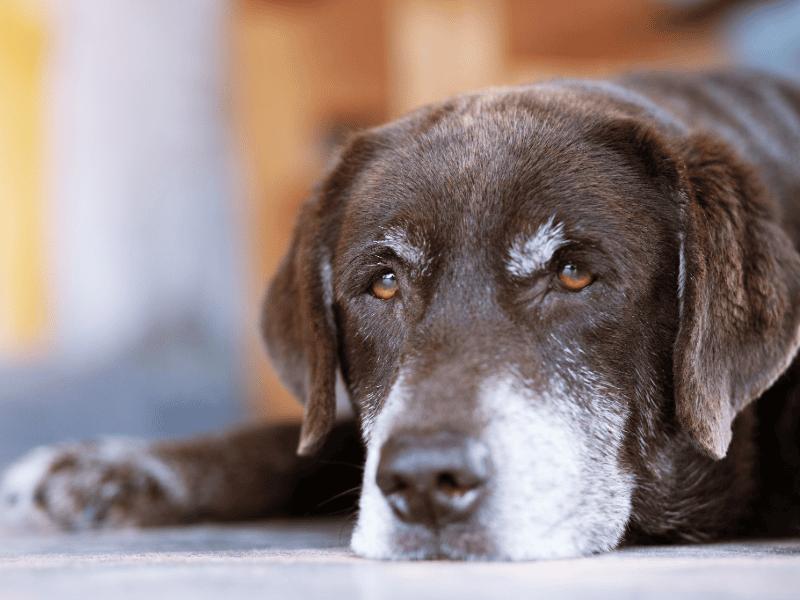
Autumn often brings a change in exercise, daylight and household routines. That makes it a useful moment to review how comfortable your pet is at home.
- Keep them moving: regular, appropriate activity can help maintain strength and mobility.
- Make resting areas comfortable: provide a warm, supportive bed away from cold draughts.
- Improve grip: rugs or non-slip mats can help older pets who struggle on smooth floors.
- Make essentials easy to reach: food, water, litter trays and sleeping areas should not require difficult stairs or jumps.
- Watch their weight: changes in activity can affect calorie needs.
- Keep a note of changes: a short video of how your pet walks or a note of changes in drinking, appetite or sleep can be useful at an appointment.
When is a pet considered senior?
There is no single age that applies to every pet. Dogs age at different rates depending on their size and breed, while cats generally enter their senior years later than many dogs.
As a broad guide, a dog’s senior years depend on their expected lifespan, with larger breeds often reaching this stage earlier than smaller dogs. Cats are commonly considered senior from around 11 years old. Your vet can give you more useful guidance based on your individual pet rather than age alone.
Could blood or urine tests be helpful?
Sometimes a physical examination identifies a concern straight away. In other cases, screening tests can reveal changes before there are obvious outward signs.
Blood and urine tests may be recommended to assess areas such as kidney and liver function, blood sugar levels and other markers of health. They are not automatically necessary for every pet at every appointment, so your vet will discuss what is appropriate based on age, symptoms, medical history and examination findings.
Kidney disease becomes more common as pets get older and early signs can include increased thirst, increased urination, weight loss or a reduced appetite.
Do not wait for a dramatic change
One of the most useful things you can do for an older pet is act on small changes. You know their normal habits better than anyone, so if something feels different, mention it.
A senior pet health check can provide reassurance when everything is going well, or give you a head start when something needs support.
You can also read our guide to spotting signs of ill health in your pet. If something is different for your dog or cat, speak to our team rather than waiting for their next routine visit.
Frequently asked questions
How often should my senior pet have a health check?
The best schedule depends on your pet’s age and health. Many older pets benefit from being checked more frequently than younger adults, particularly if they have an ongoing condition or take regular medication. Your vet can recommend an interval that suits your pet.
Should I book a check if my pet seems well?
Yes. A health check is valuable even when your pet appears well because it can establish what is normal for them and may identify subtle changes that are difficult to spot at home.
Is slowing down always caused by old age?
No. Older pets may naturally become less energetic, but slowing down can also be associated with arthritis, pain, heart disease and other health problems. Any persistent change in mobility or enthusiasm for exercise is worth discussing with your vet.
What should I bring to a senior pet appointment?
Bring details of any medicines or supplements your pet takes and make a note of changes you have noticed in appetite, drinking, toileting, sleep, mobility or behaviour. Short videos of movement or unusual behaviour can also help your veterinary team understand what is happening at home.
For information about routine preventative care, explore our Pet Health Club. Please ask the team which appointments and tests are included in your particular plan.
Book your older pet’s check at Potton Vets
If you have noticed a change, or would like to review your older dog or cat’s health this autumn, contact Potton Vets in Potton, Bedfordshire.
Call 01767 260007 to speak to our team.